France
The French stick world — the canne de combat martial-arts tradition, the Continental cane register, the chestnut and beech working materials, and the substantial nineteenth-century Parisian gentleman's-cane culture.
The French walking-stick tradition occupies a distinctive niche within the broader European stick world. France contributes two substantial elements to the global stick-tradition vocabulary: the canne de combat martial-arts tradition (a sophisticated stick-fighting practice that survived from nineteenth-century Parisian working-class self-defence to modern international competitive sport) and the Continental gentleman’s-cane culture that flourished in nineteenth-century Paris and supplied substantial European urban-dress accessory tradition.
This page is the French regional cluster. For the canne de combat tradition specifically, see Canne de combat. For the broader cane/walking-stick distinction, see The walking cane. For chestnut as the canonical canne material, see Chestnut.
Quick reference
| Canonical forms | Canne de combat stick (chestnut); urban-dress walking cane; rural shepherd-stick (canne ferrée) |
| Canonical working materials | Chestnut (canonical for canne de combat); ebony, rosewood, malacca for gentleman’s canes; beech for rural working sticks |
| Regional centres | Paris (canne de combat centre; gentleman’s-cane tradition); rural southern France (shepherd-stick tradition) |
| Modern competitive structure | Fédération Française de Savate Boxe Française & DA (governing canne de combat) |
| Cultural register | Substantial dual register: martial-arts canne and urban-dress cane both with substantial continuing tradition |
Canne de combat — the canonical French contribution
Canne de combat is France’s substantial contribution to the global martial-arts stick-fighting tradition. The form crystallised in nineteenth-century Parisian working-class culture as a self-defence response to urban street threats, was systematised through the late nineteenth and early twentieth centuries (substantially through the work of Maurice Larribeau), and survives today as a recognised competitive sport under the Fédération Française de Savate Boxe Française & DA umbrella alongside the closely-related savate (French boxing) tradition.
Canne de combat specifications:
- Stick length: ~95 cm (typically chestnut)
- Stick diameter: ~22-25mm
- Material: chestnut (canonical); modern padded synthetic equivalents for full-contact competition
- Working register: martial-arts training and competition; substantial international tradition
The form is closely related to French savate — both traditions developed in similar working-class Parisian context and the contemporary federations administer both. The canne de combat’s chestnut-and-95cm specifications give the form its distinctive character separate from the broader European cane tradition.
For the full canne de combat treatment, see Canne de combat.
The Parisian gentleman’s-cane tradition
The substantial nineteenth-century Parisian gentleman’s-cane culture (centred on the late Bourbon, July Monarchy, Second Empire, and Belle Époque periods, roughly 1815-1914) produced a substantial European urban-dress cane tradition that supplied not just Paris but the broader European fashionable urban culture.
Parisian cane characteristics:
- Exotic-wood shafts — ebony, rosewood, snakewood, malacca (substantial use of colonial-trade material)
- Substantial silverwork — hand-engraved presentation collars
- Specialised cane-shop retail tradition — Parisian cane shops as substantial commercial register
- Substantial museum collections — Musée des Arts Décoratifs and other Parisian collections hold substantial period cane material
For the broader cane/walking-stick tradition, see The walking cane. For the related military and ceremonial register, see Swagger sticks.
Rural French working tradition
Beyond the canne de combat martial register and the Parisian urban-cane culture, rural France maintains substantial working stick tradition:
Canne ferrée (iron-tipped working stick) — substantial Alpine and southern French rural shepherd-stick tradition, particularly in the Pyrenees, the Cévennes, the Alps, and the broader rural southern French upland farming culture
Pyrenean shepherd-stick tradition — substantial transhumance shepherding tradition supports working stick craft, similar in register to Welsh shepherd’s-crook tradition
Beech as working material — substantial French beech (Fagus sylvatica) working tradition; beech is the working “everyman” wood of French rural craft
Regional variations — Brittany, Normandy, Burgundy, Provence each have small regional working-stick traditions, less commercially organised than Paris or the canne de combat tradition
Materials
The French stick-tradition working-materials register includes:
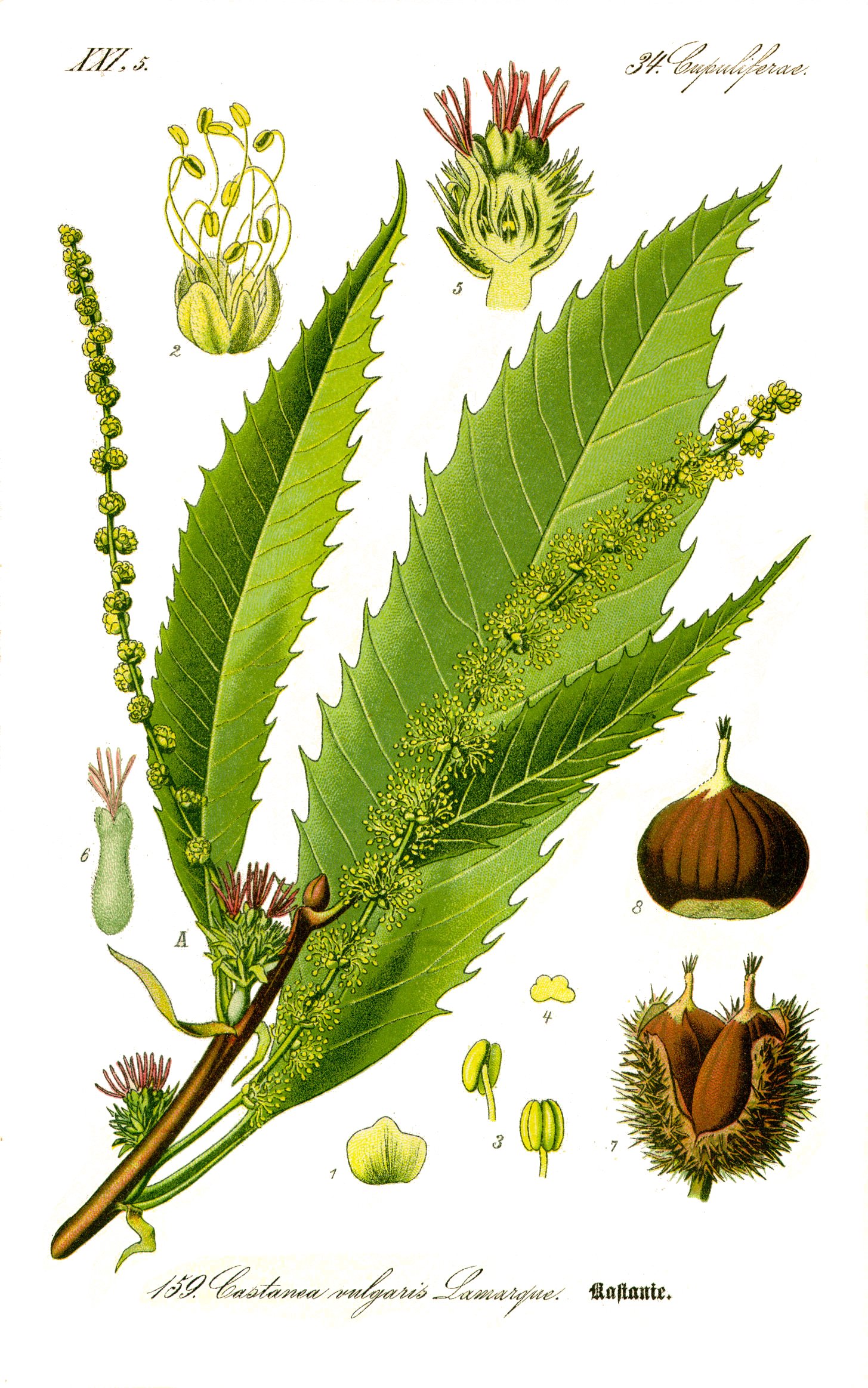
Chestnut (Castanea sativa) — canonical canne de combat material; also substantial Continental working-stick wood. See Chestnut — substantial coverage of the broader Continental and English chestnut tradition.
Beech (Fagus sylvatica) — substantial French rural working tradition
Cornel (Cornus mas) — the canonical European weapon-handle wood, substantial in continental tradition (see Other woods of note for the cornel/dogwood treatment)
Imported colonial-trade materials — ebony, rosewood, snakewood, malacca for gentleman’s-cane production
Apple, pear, cherry, walnut — substantial fruit-wood working tradition for fine pieces
Cultural-historical context
The French stick tradition exists within several substantial cultural-historical contexts:
Republican and revolutionary tradition — the canne (as opposed to the sword) emerged as a republican gentleman’s accessory specifically because it replaced the sword that had been the noble’s prerogative. The transition from sword to cane carries political-historical weight in French culture.
Belle Époque urban culture — substantial Parisian cane culture intersects with the broader Belle Époque (1871-1914) urban-aesthetic register; substantial museum and antique-trade focus on this period.
French rural tradition — substantial Alpine and southern French rural working stick tradition continues; less internationally visible than the Paris or canne de combat traditions but substantially current.
Colonial-trade history — substantial French involvement in nineteenth-century colonial-trade cane materials (Indochinese rattan, African ebony) shapes the material register of the gentleman’s-cane tradition. This is morally complex and warrants careful treatment.
Regional makers
Modern French working stick makers are a modest active community:
- Paris canne-de-combat suppliers — specialty suppliers for FFS-affiliated clubs
- Pyrenean shepherd-stick makers — small but consistent rural tradition
- Alpine working makers — small community in the French Alps
- Continental cane-restoration specialists — substantial antique-cane restoration community
The journal does not currently maintain a recommended-makers list for French tradition. The Fédération Française de Savate provides canne de combat supplier listings; the broader French rural-craft directories provide working maker resources.
Connections to other traditions
The French stick tradition connects to:
English tradition — substantial cross-tradition exchange in gentleman’s-cane culture; the single-stick English martial art (see Single-stick: the lost English martial art) shares working-class martial-art roots with canne de combat Italian tradition — substantial European-cane tradition shared across Alps; cornel/dogwood working culture substantially shared German tradition — see Germany; shared Continental working tradition Belgian and Swiss tradition — substantial French-language cultural continuity; shared canne de combat practice
Reading order
For a reader new to the French stick tradition:
- Canne de combat — the canonical French martial-arts tradition
- Chestnut — the canonical canne material
- The walking cane — the broader cane tradition context
- Swagger sticks — the related ceremonial and military register
- Other woods of note — the European cornel/dogwood tradition that French working culture shares
A note on coverage
The French stick tradition is substantially documented in French-language sources (particularly Larribeau 1924 and subsequent FFS publications) and in international cane-collector literature (Klever 1984 and similar). The journal’s current English-language treatment is partial; substantial expansion would benefit from contributions from French-language cane-tradition specialists, FFS-affiliated practitioners, and French rural-craft specialists.
Sources & further reading
- Fédération Française de Savate Boxe Française & DA, Fédération Française de Savate (FFS)
- Larribeau, M. — Self-defense par la canne et la canne de combat (1924), Bibliothèque nationale de France / Gallica
- Musée des Arts Décoratifs (Paris) — historic cane collections, Musée des Arts Décoratifs
- Klever, U. — Walking Sticks: Accessory, Tool, and Symbol (1984), Schiffer / WorldCat
Related reading
- historyCanne de Combat — French Stick Fighting, Explained
The French martial art of fighting with a chestnut walking stick — born in early-nineteenth-century Paris, codified by Maurice Larribeau and others, and surviving today as a recognised competitive sport alongside savate.
- woodsChestnut
Sweet chestnut — the English coppice wood with the second-longest continuous working tradition in Europe, and a stick wood that competes honestly with oak at lower density.
- historySwagger sticks
The short military stick that was, for a century, the universal symbol of an officer in dress uniform — and is, today, almost extinct outside ceremonial use.
- historyRegional stick styles of Britain
How to identify a British walking stick by its English, Welsh, or Scottish regional origin — the Lake District, Sussex/Kent, Welsh hills, Scottish Highlands, and the broader four-nation tradition.